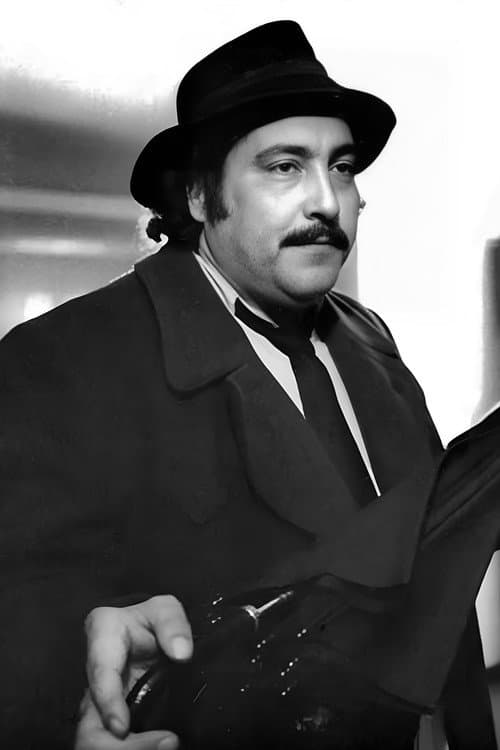
Mohamed Bouamari
Known for: Directing
Born: January 1, 1941
Died: December 1, 2006
Place of birth: Guidjel, Algérie
Born in Guidjel, near Sétif in Algeria in 1941, Mohamed Bouamari (محمد بوعمري) is an Algerian actor and director. Self-taught, in 1961 he received a scholarship from the UNEF to study film set careers in France. Returning to Algiers in 1965, he became an assistant to the filmmaker Mohamed Lakhdar-Hamina on "Le Vent des Aurès" in 1966, then to Costa Gavras on "Z" in 1969 and to Jean-Louis Bertucelli on "Remparts d'Argile" in 1969). Bouamari made his first feature film as director in 1972, with "Le Charbonnier", a film which was selected in several international festivals, including La Semaine de la Critique in Cannes, and which attracted attention. In the wake of this first work which ranks him among the progressive filmmakers bringing to the screen the effects of the Algerian agrarian revolution, he then directed "L'Héritage" (1974), and continued the vein that would remain his own, that of a committed filmmaker, in search of a revolutionary national aesthetic, whose favorite themes are the war of independence, the denunciation of contemporary feudalism and the cause of the condition of Algerian women and his own wife, Fettouma Ousliha, will play the heroine of his films. The rest of his work, from “Premier Pas” (1974) to “Refus” (1982), will bear witness to these commitments. Mohamed Bouamari last appeared on screen in 2005, in Djamila Sahraoui's film, "Barakat". He died of a heart attack on Friday December 1, 2006 in Algiers, at the age of 65 while he was finishing his fiction film "The Sheep".
Advertisement
Filmography
15 movies · 1 TV show, newest first

NR
WHEN CINEMA SPEAKS...
2026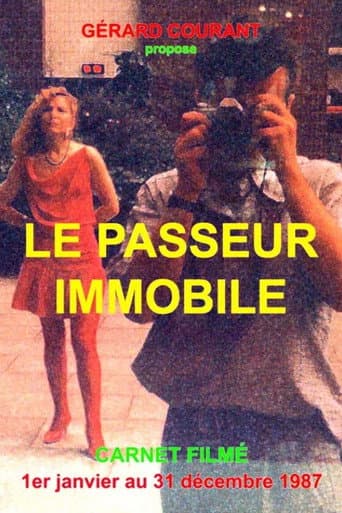
NR
Le Passeur immobile
2021
4.9
The Citadel
1988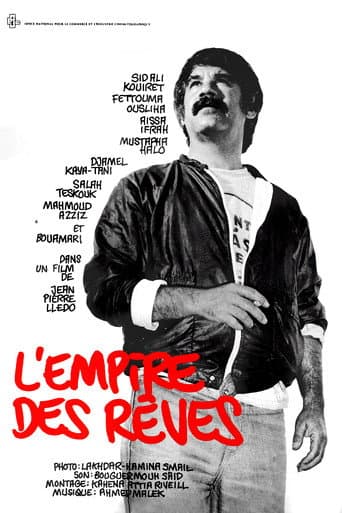
10.0
The Empire of Dreams
1982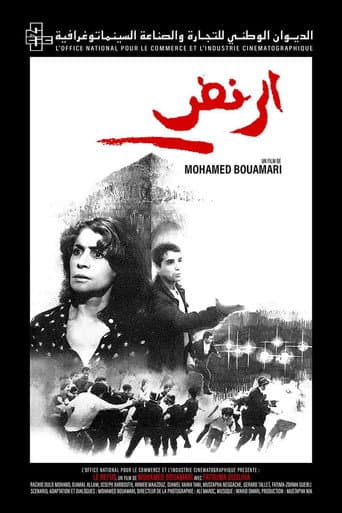
10.0
The Refusal
1982NR
Cinématon XIII
1981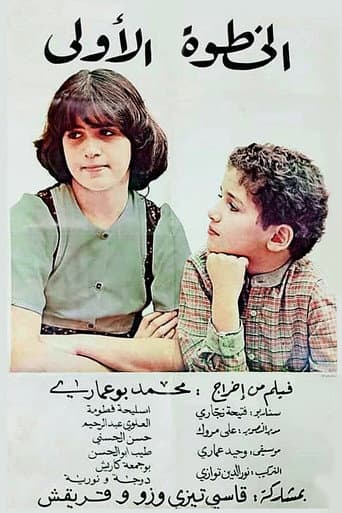
9.5
First Step
1980
5.0
Ciné regards
1978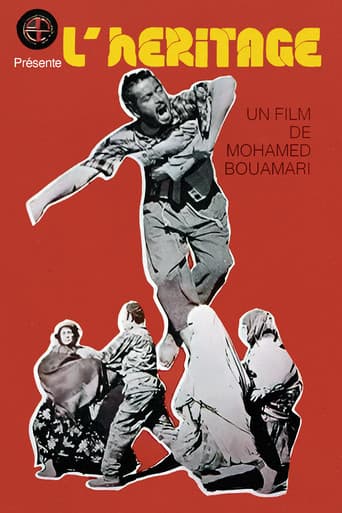
9.0
The Inheritance
1975
9.5
The Charcoal Maker
1973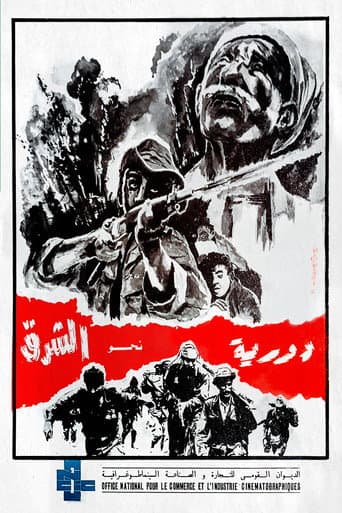
8.0
Patrol in the East
1971
7.1
Ramparts of Clay
1970
6.0
The Pan-African Festival in Algiers
1969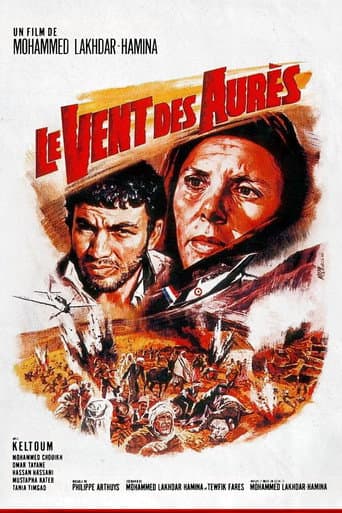
6.8
The Winds of the Aures
1967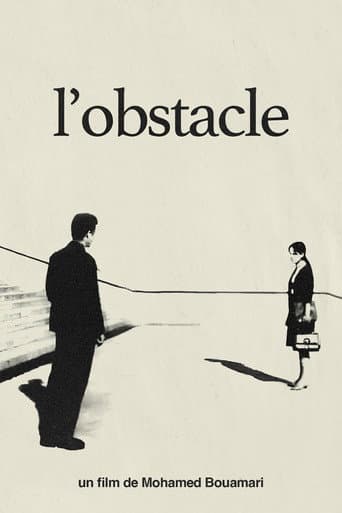
10.0
L'Obstacle
1965
6.5
A People on the March
1963