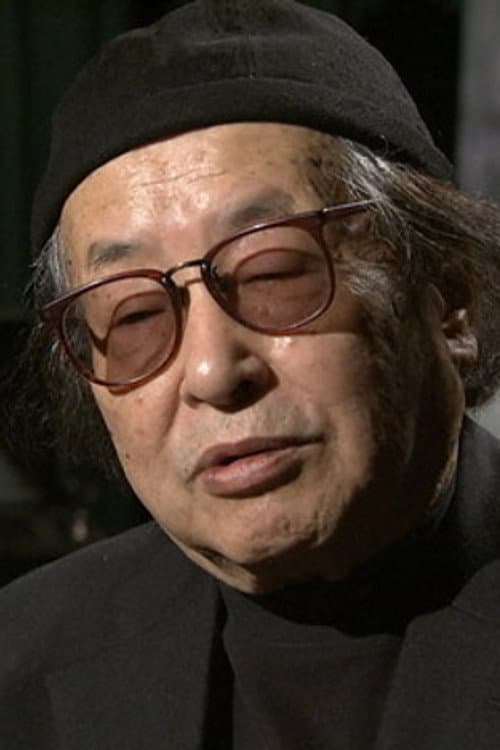
Kazuo Kuroki
Known for: Directing
Born: November 10, 1930
Died: April 12, 2006
Place of birth: Matsukasa, Japan
Kazuo Kuroki (黒木和雄 Kuroki Kazuo) was a Japanese film director who was particularly known for his films on World War II and the question of personal guilt. He attended Doshisha University, but left before graduating, instead finding employment at Iwanami Productions. There he directed PR films and documentary films, while also participating in the "Blue Group" (Ao no kai) with other Iwanami filmmakers such as Noriaki Tsuchimoto, Shinsuke Ogawa, and Yōichi Higashi, a group that was exploring new paths in documentary. Kuroki left Iwanami after experiencing conflicts with the sponsors of Hokkaido, My Love (1960). With Record of a Marathon Runner (1964) that helped spark changes in the Japanese documentary world. Kuroki switched to fiction film, independently producing Silence Has No Wings (1966) and showing it at the Art Theatre Guild. He became one of the representative figures of ATG and independent Japanese cinema, and was particularly known for a series of works dealing with the atomic bombings of Japan, such as Tomorrow (1988) and The Face of Jizo (2004). These were in part spurred by his growing up near the city of Nagasaki. Kuroki's work also dealt with his own feelings of guilt from the war, as he felt responsible when some of his fellow students, who had been conscripted to work in a local factory, died in Allied bombings and he did not help
Advertisement
Filmography
23 movies · 2 TV shows, newest first
7.6
The Blossoming of Etsuko Kamiya
2006
7.0
The Face of Jizo
2004
5.8
A Boy's Summer in 1945
2002
6.8
Pickpocket
2000NR
Woman's Deadly Blow! Woman's Skin-Covered Fall
1995NR
A Tragic Prime Minister: The Life of Koki Hirota
1993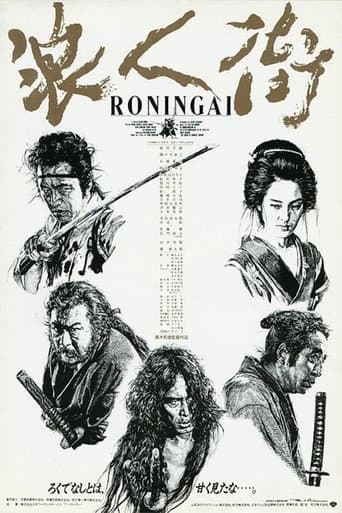
6.2
Ronin-gai
1990
8.0
Tomorrow
19887.0
A Bridge of Tears
1983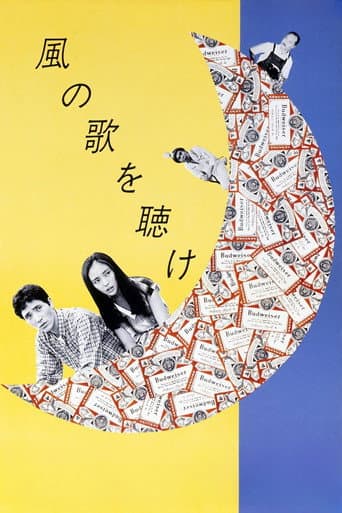
6.6
Hear the Wind Sing
1981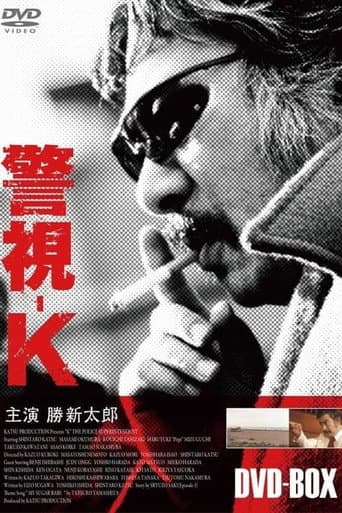
NR
Keishi-K
1980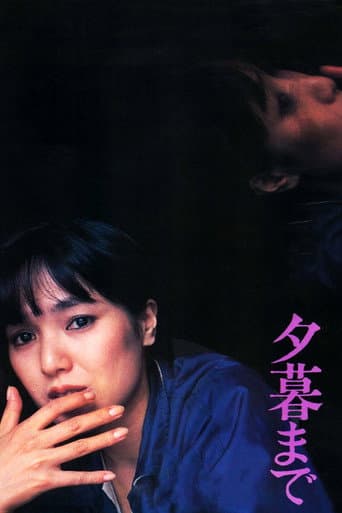
7.0
Until Evening
1980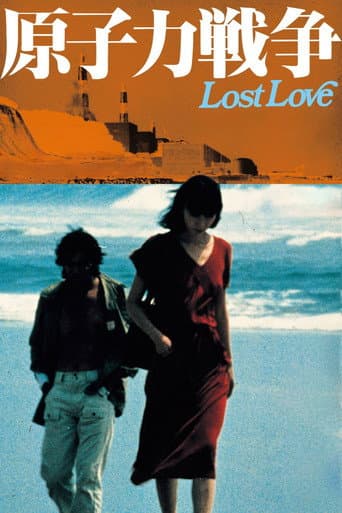
6.4
Lost Love
1978
5.4
Preparation for the Festival
1975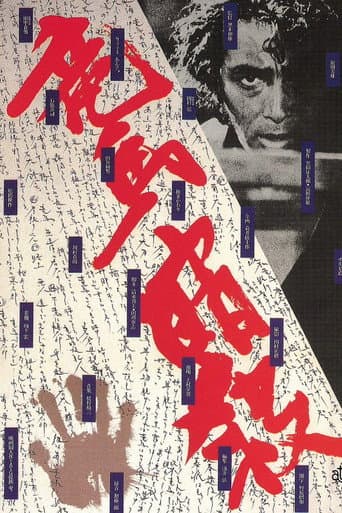
4.8
The Assassination of Ryoma
1974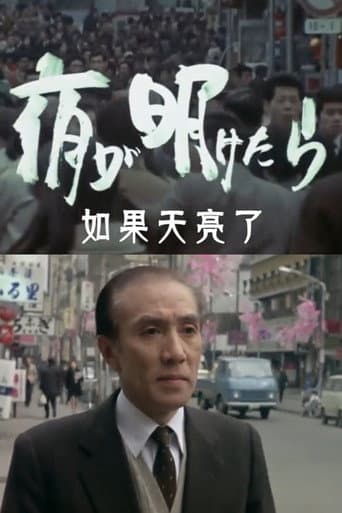
NR
When the Night Breaks
1973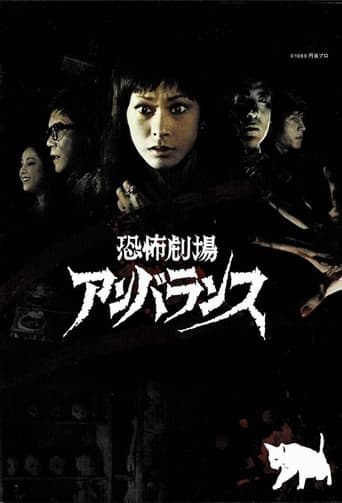
NR
Horror Theater Unbalance
1973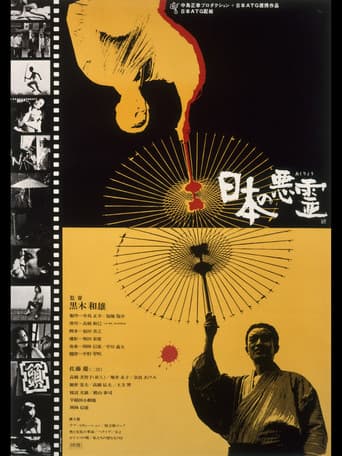
6.8
Evil Spirits of Japan
1970
6.8
Cuban Lover
1969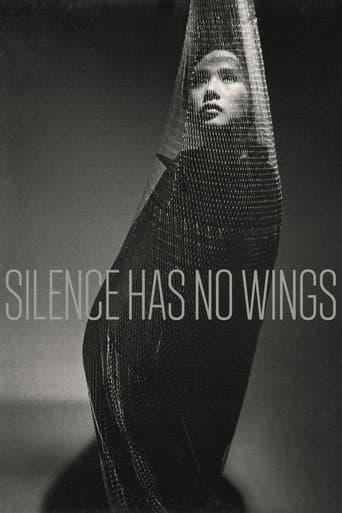
6.9
Silence Has No Wings
1966
10.0
Record of a Marathon Runner
1963
NR
The Solar Thread
196310.0
Hokkaido, My Love
1962NR
The Seas Are Full of Sheep in Love
1961
NR
The Sea Wall
1959